
random team picker dodgeball
Random Team Picker Dodgeball: How to Create Fair Teams
Learn how to use a random team picker for dodgeball to create fair teams quickly. Follow practical steps for balanced, inclusive games in PE classes and events.
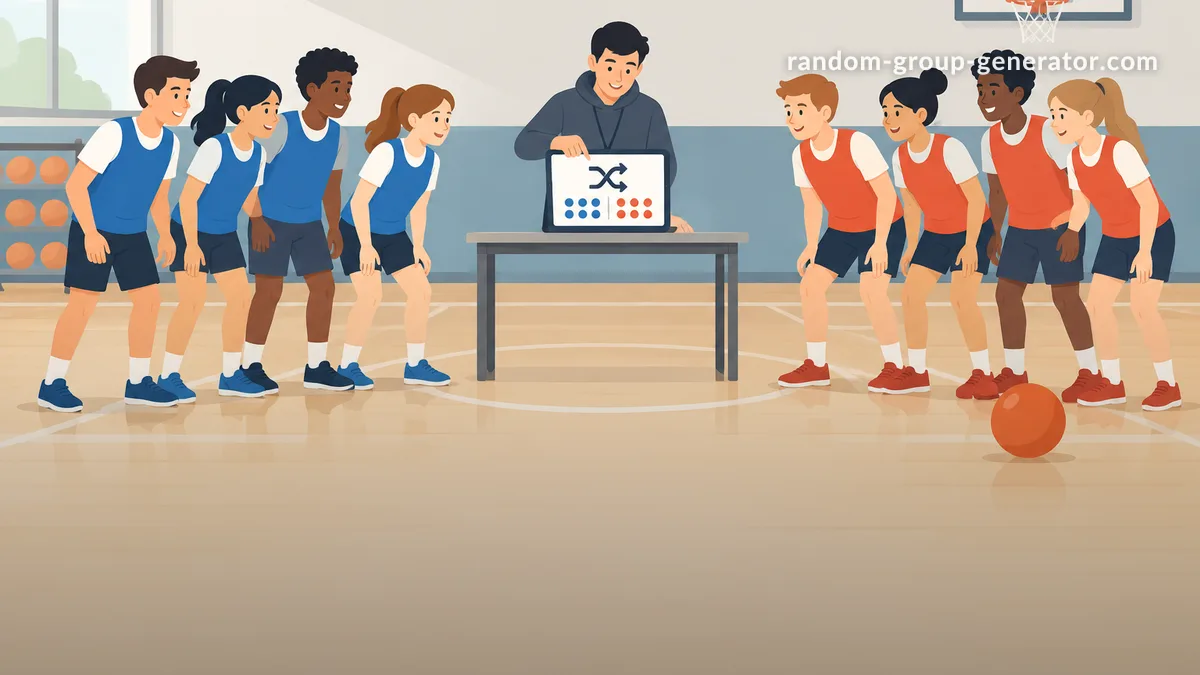
The class is ready for dodgeball, the balls are on the gym floor, and everyone wants to start playing. There is just one problem: choosing teams. Students may rush to join their friends, argue about captains, or worry about being picked last. A random team picker dodgeball method solves much of this frustration by assigning players to teams through a neutral selection process. Teachers, PE instructors, youth coaches, and event organizers can use random team selection to save preparation time, reduce arguments, and give everyone a fair opportunity to participate.
Random selection is particularly useful when you have a large class, limited preparation time, or students who do not always work with the same classmates. With a little planning, you can create teams in seconds while still considering safety, participation, and the needs of individual players.
Why Use a Random Team Picker for Dodgeball?
Traditional dodgeball team selection often starts with two captains taking turns choosing players. Although familiar, this approach can create uncomfortable situations. Students who are selected last may feel embarrassed, while captains may repeatedly choose the same athletic classmates. The process can also take several minutes, reducing the time available for actual physical activity.
A random team picker dodgeball approach removes the need for public selection. Instead of asking students to rank their classmates, the teacher enters or selects the player names and lets a random grouping process distribute them. Everyone knows that the same process applies to the entire group, rather than depending on personal preferences or popularity.
Random selection also helps students interact with classmates they might not normally choose as teammates. This can make PE lessons more varied and encourage cooperation between different friendship groups. SHAPE America's guidance on appropriate physical education practices emphasizes equitable opportunities for participation and discourages allowing highly skilled students to dominate activities.
For example, imagine a middle school PE class with 26 students. Two captains might spend several minutes negotiating their choices, and the same students could be selected first every week. Randomly distributing the 26 names into two teams of 13 creates an immediate starting point without publicly ranking anyone.
However, random does not automatically mean perfectly balanced. A random draw may place several experienced players together. Teachers should treat random selection as a fair starting process and make appropriate adjustments when there are important safety, accessibility, or instructional considerations.
How to Use a Random Team Picker for Dodgeball
You do not need complicated equipment or a lengthy preparation process. A digital random group tool can handle the assignment, while a prepared player list keeps the activity organized.
Follow these steps before your next game:
- Count the players. Confirm how many students or participants are available. Include substitutes separately if they will not participate in the first round.
- Prepare the player list. Write down each participant's name. Check spelling and make sure nobody appears twice or has been accidentally left out.
- Choose the number of teams. For a traditional two-sided game, select two teams. For a larger event, you may prefer four or more teams playing shorter matches.
- Open a random grouping tool. Visit the Random Group Generator and prepare your participant list.
- Enter the names and grouping settings. Add each player and select the desired number of groups or participants per group, depending on the available settings.
- Generate the teams. Run the selection process and review the resulting team lists.
- Announce the assignments. Display the results on a screen or read the teams aloud. Give everyone a moment to find their teammates.
- Check practical requirements. Review team sizes, equipment, court space, and any necessary participation accommodations before starting.
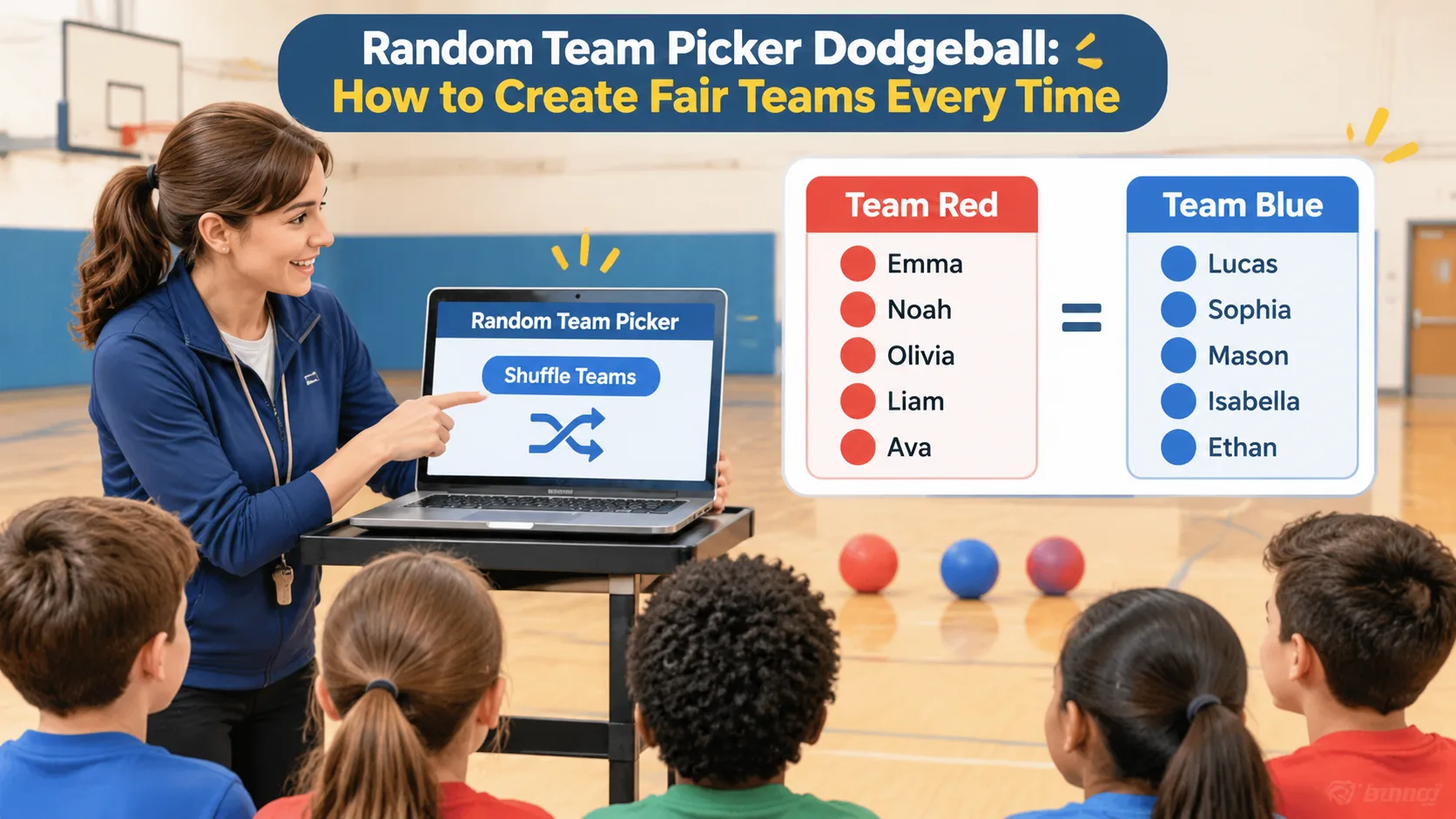
Consider a class of 24 students. The teacher enters all 24 names and requests two groups. The tool distributes the players into two teams of 12. Instead of spending time choosing captains, the class can move directly to its warm-up and game instructions.
For a smoother routine, save the participant list before the lesson when possible. If attendance changes, update the list before generating the teams. This reduces mistakes and prevents students who are absent from appearing in the results.
How to Make Dodgeball Teams Fair and Balanced
Equal team sizes are an important starting point, but they are not the only consideration. Two teams can have the same number of players and still have very different levels of experience, confidence, or physical ability. A class with 12 students on each side might have most of its experienced throwers on one team simply because of chance.
The key is to understand the difference between random selection and balanced team formation. Random selection treats the submitted names equally. Balanced grouping requires additional information or teacher judgment. If your goal is to introduce variety and avoid predictable captain choices, random assignment may be enough. If your lesson requires closer competitive balance, you may need to review the results before the game.
A practical approach is to combine random assignment with a simple teacher review:
- Generate the initial teams randomly.
- Check whether one team has a significant concentration of experienced players.
- Consider relevant participation needs and agreed classroom accommodations.
- Make only the adjustments necessary for a suitable activity.
- Explain that adjustments support participation and a positive game rather than reward or punish individual students.
For example, a teacher might notice that a random draw has placed most of the students familiar with the rules on Team A. The teacher can make a small adjustment so both teams have students who understand the game. The remaining assignments can stay unchanged.
Avoid using athletic ability as the only measure of a good teammate. Communication, cooperation, awareness, encouragement, and willingness to participate also matter. SHAPE America recommends providing students with equitable opportunities regardless of developmental level or ability. This is a useful principle when planning competitive activities, including dodgeball.
If you want to try a different approach for another PE activity, the Random Pair Generator can help you organize partner activities before or after the game.
What If You Have an Uneven Number of Players?
Uneven attendance is common in schools and organized events. A student may be absent, someone may arrive late, or a participant may need to sit out temporarily. Fortunately, you do not need to cancel the game or spend time rebuilding every team.
Suppose you have 25 players and want two teams. The closest possible arrangement is 13 players against 12. This one-person difference is usually manageable in an informal class activity, provided the rules account for the difference.
Here are several practical ways to handle uneven numbers:
- Rotate a substitute: Keep one participant available to enter when another player needs a break. Rotate the role so the same person is not always sitting out.
- Use a rotating extra player: The larger team can rotate one player between rounds, giving everyone opportunities to participate.
- Adjust the game format: Use three smaller teams and run short rounds, allowing one team to rest or take on a different activity.
- Create a temporary support role: A participant who is not playing can help with scoring, equipment, or refereeing, provided the role is voluntary and they have a clear opportunity to return to play.
For instance, a teacher with 19 students could create two teams of 10 and 9. After the first round, the teacher can rotate a player or adjust the format. If the class is practicing specific skills rather than playing a formal match, three smaller groups may provide more opportunities for individual participation.
The Random Group Generator is useful when you want to organize participants into groups without manually dividing every name. Remember to check the final team sizes and decide how you will manage substitutions before the first whistle.
Make Random Dodgeball Teams More Inclusive
Fair selection is about more than distributing names. A positive PE environment should allow participants to feel respected, supported, and able to take part. Some students enjoy competitive games, while others may feel uncomfortable with fast-moving activities or being targeted by a thrown ball.
Before generating teams, consider whether every participant can access the planned activity. Follow your school's physical education policies and make appropriate arrangements for students who use medical aids, need adapted equipment, or have other participation requirements. If a student cannot safely participate in the standard version, discuss a suitable alternative with the relevant school staff rather than assuming that random assignment solves the issue.
A few simple practices can improve the experience:
- Do not let students publicly choose or rank their classmates.
- Rotate team membership between lessons so the same groups do not become permanent.
- Explain the selection process before displaying the results.
- Avoid comments about individual students' athletic ability.
- Give students clear instructions about boundaries, permitted throws, and respectful behavior.
- Provide appropriate ways for students to participate when standard gameplay is unsuitable.
Safety deserves particular attention in dodgeball. Ontario's Ophea safety guidance recommends clearly marked boundaries, consideration of medical aids, and rules that control the direction and speed of throws. Its guidance includes options such as requiring the ball to bounce before hitting a target and limiting contact to below the waist. Teachers should follow applicable local policies and adapt rules to the age group and activity format.
For example, an elementary PE teacher may decide to use soft foam balls, a clearly marked playing area, and a rule requiring underhand throws. Students can still practice teamwork and movement while playing under conditions appropriate to the class.
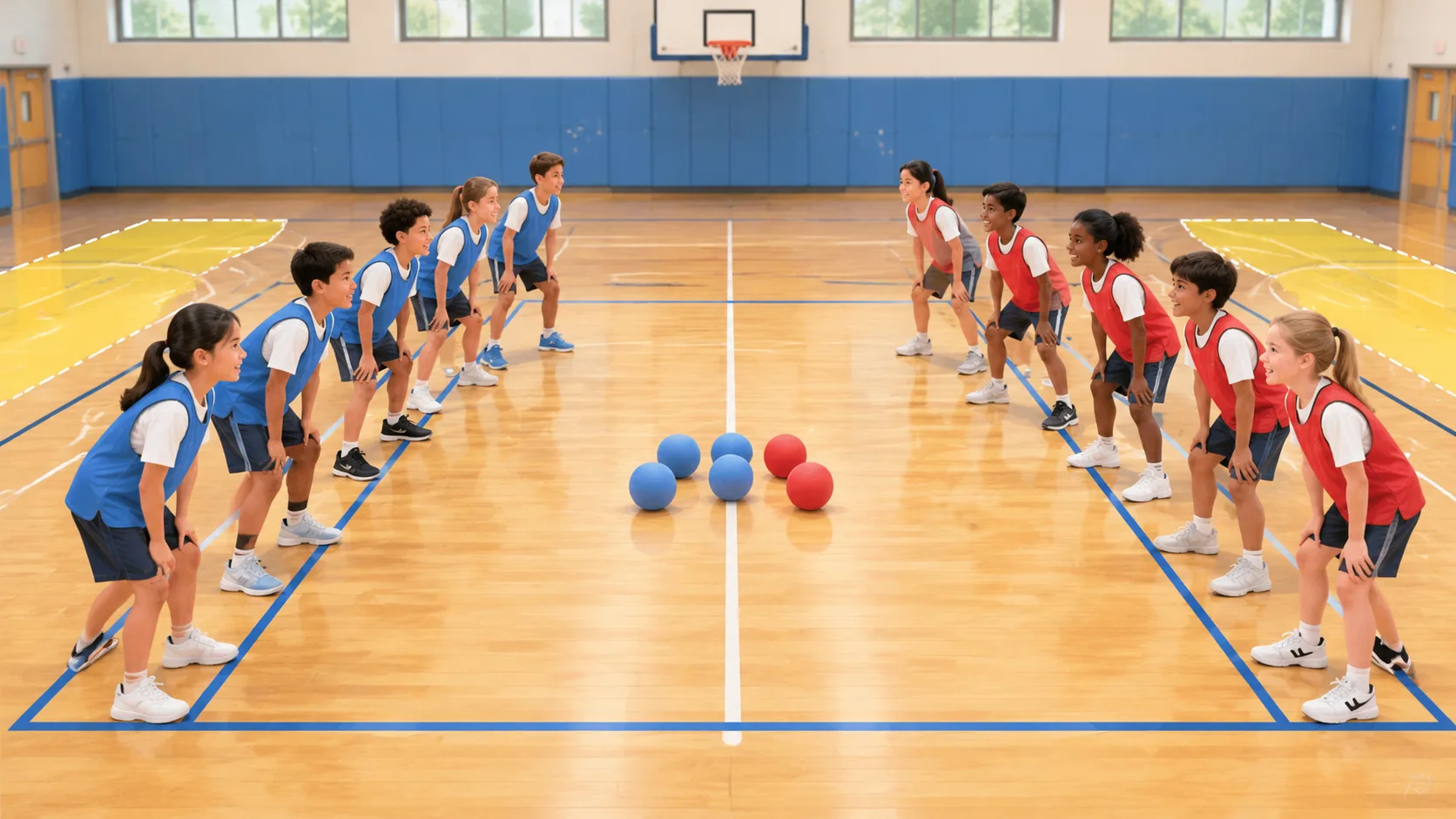
Random assignment should never override an individual's safety or an approved accommodation. If the activity itself is unsuitable for a participant, use a different activity or an appropriate alternative rather than treating inclusion as a team-selection problem alone.
Different Ways to Organize Dodgeball Games
A random team picker is not the only way to organize a dodgeball session. Different methods work better for different ages, group sizes, and lesson objectives. Understanding the alternatives helps you choose a process that fits your situation.
Traditional captain selection is familiar and allows students to take leadership roles. However, it can take time and may make some participants uncomfortable if selection happens publicly. It is more suitable when leadership and negotiation are explicit learning objectives and the teacher can manage the process sensitively.
Pre-assigned teams work well for planned competitions or multi-week activities. Teachers can review participation needs and make adjustments in advance. The disadvantage is that preparation takes more time, and students may end up working with the same classmates repeatedly.
Random team selection is useful when speed, variety, and neutral assignment are priorities. It reduces the need for public choosing and makes it easier to repeat the process across lessons. However, a random draw does not assess skill levels or guarantee an evenly matched game.
Color or number selection is a simple offline alternative. Give students colored cards or numbered tokens and ask them to find classmates with matching assignments. This approach works when devices are unavailable, although teachers must prepare the materials and check the group sizes.
For a class that frequently changes activities, a digital tool can be especially convenient. The group picker wheel offers another way to present group selection visually when you want the process to feel more interactive.
Real-World Dodgeball Team Selection Examples
Different settings require slightly different approaches. Here are three practical examples showing how a random team picker dodgeball process can fit into everyday activities.
Example 1: Elementary school PE class
A teacher has 20 students and wants to introduce a short dodgeball activity. The teacher prepares the names, creates two teams of 10, and explains the rules before students enter the playing area. Soft equipment and age-appropriate throwing rules are used. For the next lesson, the teacher generates new teams so students have opportunities to work with different classmates.
Example 2: High school sports club
A sports club has 31 participants attending a recreational session. The organizer creates two groups of 16 and 15. Before play, the organizer reviews the assignments and checks that both sides have access to the equipment and understand the agreed rules. The larger team rotates a player between rounds to keep participation fair.
Example 3: Corporate team-building event
An event organizer has 18 employees participating in a recreational dodgeball session. Rather than asking managers or team leaders to select colleagues, the organizer uses random assignment to create two teams of nine. Participants receive their assignments before the activity begins. The organizer also explains that joining the game is voluntary and provides alternative roles for anyone who does not wish to play.
These examples show why the selection process should match the activity. A PE lesson may prioritize learning and participation, while a recreational event may focus on social interaction. In both situations, random assignment provides a straightforward starting point.
Common Mistakes to Avoid When Choosing Dodgeball Teams
Even a simple random selection process can go wrong if the participant list or settings are not checked. The most common problem is an inaccurate list. Duplicate names can cause someone to appear twice, while missing names can leave participants without a team.
Another mistake is assuming that equal numbers automatically create equal competition. A team of 10 experienced players may have a very different experience from a team of 10 beginners. If competitive balance matters, review the initial assignment and make reasonable adjustments.
Avoid regenerating teams repeatedly just because the first result is not what someone expected. Doing so can undermine confidence in the selection process. Establish your grouping rules before generating teams and explain when adjustments are allowed.
Finally, do not let team selection take priority over preparation for the activity itself. Confirm the playing area, equipment condition, boundaries, supervision, and emergency procedures. The purpose of a random team picker dodgeball process is to make organization easier, not replace responsible lesson planning.
Frequently Asked Questions
What is a random team picker for dodgeball?
A random team picker for dodgeball is a tool or method that distributes participants into teams through random selection. Instead of asking captains to choose players, an organizer supplies the names and selects the desired group arrangement. It can make team formation quicker and reduce arguments about who gets picked.
How do I randomly split a class into two dodgeball teams?
Prepare a complete list of student names and open the Random Group Generator. Enter the names, select two groups, and generate the assignments. Check the results for missing participants, duplicate entries, and any necessary participation accommodations before starting the game.
Does random team selection guarantee balanced dodgeball teams?
No. Random selection distributes names without necessarily considering athletic experience, confidence, or skill. It is useful for neutral team formation, but teachers may need to review the results when competitive balance or specific learning objectives are important.
Can I use a random team picker with an odd number of players?
Yes. An odd number of participants can be divided into teams that differ by one player. For example, 21 participants can form teams of 11 and 10. You can also rotate an extra player between rounds or organize three smaller teams.
Is random team selection suitable for elementary school students?
Yes, provided the activity and grouping process are appropriate for the students' ages and needs. Teachers should use suitable equipment, explain the rules clearly, provide necessary accommodations, and avoid making students feel uncomfortable about their team assignments. Random selection can help prevent public picking, but it does not replace careful supervision.
How often should I change dodgeball teams?
There is no single schedule that works for every class. Changing teams between lessons or rounds can give students opportunities to cooperate with different classmates. If you are teaching a specific teamwork skill, keeping teams together for several activities may be more useful. Choose the arrangement that best supports the lesson objective.
Create Your Dodgeball Teams in Seconds
Choosing teams should not take more time than the game itself. A random team picker dodgeball method gives teachers, coaches, and event organizers a simple way to distribute participants without lengthy captain selections or unnecessary disagreements.
Prepare your player list, decide how many teams you need, generate the assignments, and check the results before play begins. Remember that equal group sizes are only the starting point: safety, accessibility, and appropriate competition still require thoughtful planning.
Ready to organize your next game? Try the free Random Group Generator and create your dodgeball teams with a quick, straightforward selection process.
Related Tools
Pick the right generator for the job — every tool runs free in your browser.